
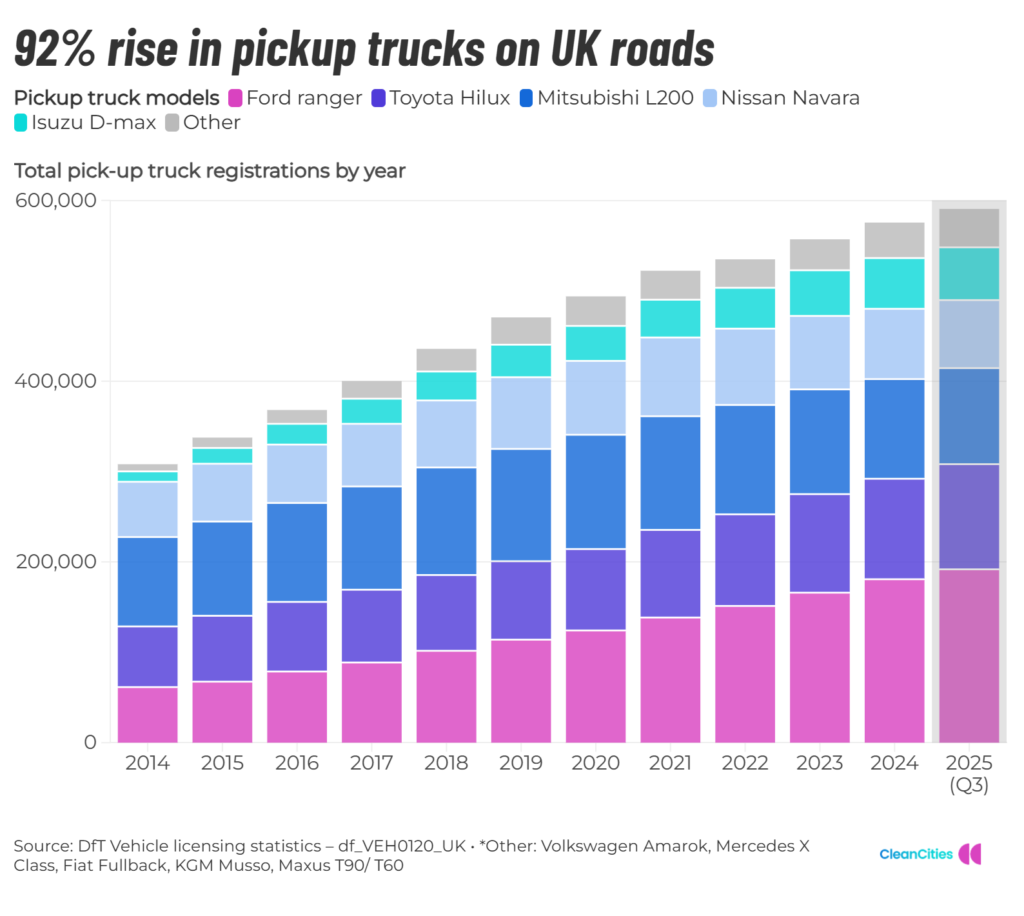
Registrations of the most commonly-sold pick-up trucks have nearly doubled on UK roads in just over a decade.
New analysis published today by Clean Cities shows a major increase in the number of large, US-style pick-up trucks on UK roads over the past decade – with serious implications for pedestrian safety, particularly for children.
The analysis finds that registrations of the most commonly-sold pick-up trucks have nearly doubled in just over a decade, with close to 600,000 (590,587) now on UK roads (Q3 2025), compared to 308,103 in 2014, a rise of 92%. It’s of particular concern in urban areas, where these vehicles are least suited to narrow streets, pavements and school environments. [1]
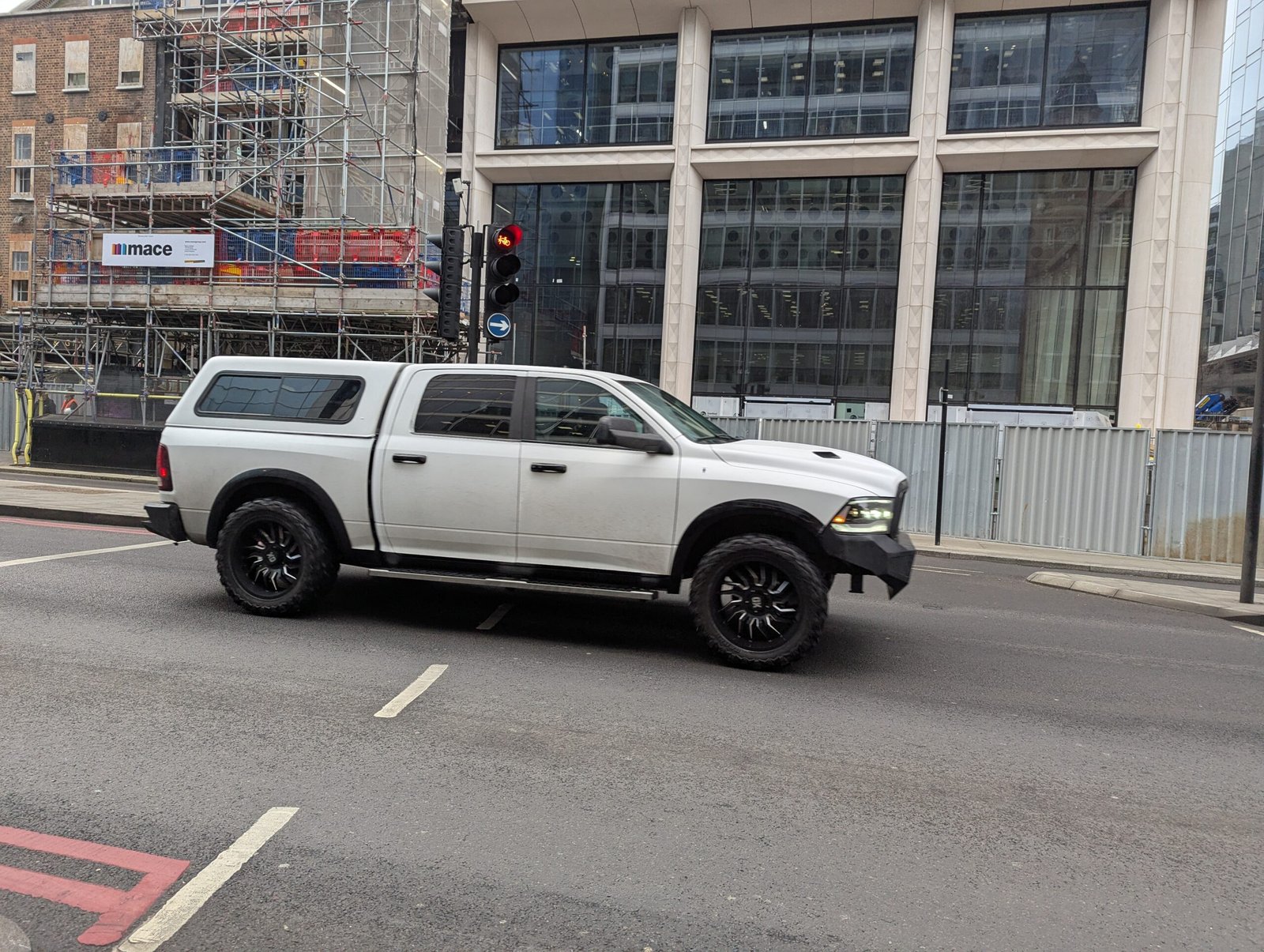
Just the 10 most common pick-up models — including the Ford Ranger, Toyota Hilux, Mitsubishi L200 and Nissan Navara — account for more than half a million registered vehicles as of Q3 2025, according to Clean Cities’ assessment of DfT vehicle registration data. Large heavy vehicles such as pick-up trucks are making the roads more dangerous for everyone else, according to an in-depth study of 7.5 million crashes by the Economist. In crashes, pick-up trucks are three times more likely to kill vulnerable road users (pedestrians, cyclists, motorcyclists and scooter riders) compared to regular cars, according to European data.
Oliver Lord, UK Head of Clean Cities, said:
“This boom in US-style pick-up trucks is lifestyle over practicality in exchange for parking mayhem and dangerous roads. City leaders must act to discourage these menacing vehicles from our streets. How is it acceptable to have a vehicle so tall that children cannot be seen?”
Pick-up trucks are significantly taller and heavier than standard cars, with bonnet heights often exceeding one metre. As a result, children can be completely invisible from the driver’s seat, particularly at close range. Seated behind the steering wheel of many pick-up trucks, a driver of average adult height cannot see children aged up to nine standing in front.
Jemima Hartshorn, Founder of Mums for Lungs, said:
“These pick-up trucks are built like battering rams and pump out pollution like chimneys. For children, that’s a deadly combination — invisible at the front of the vehicle and breathing in the fumes from the back. No parent wants their kids in daily danger, yet we’re allowing these trucks to become normal on our streets.”
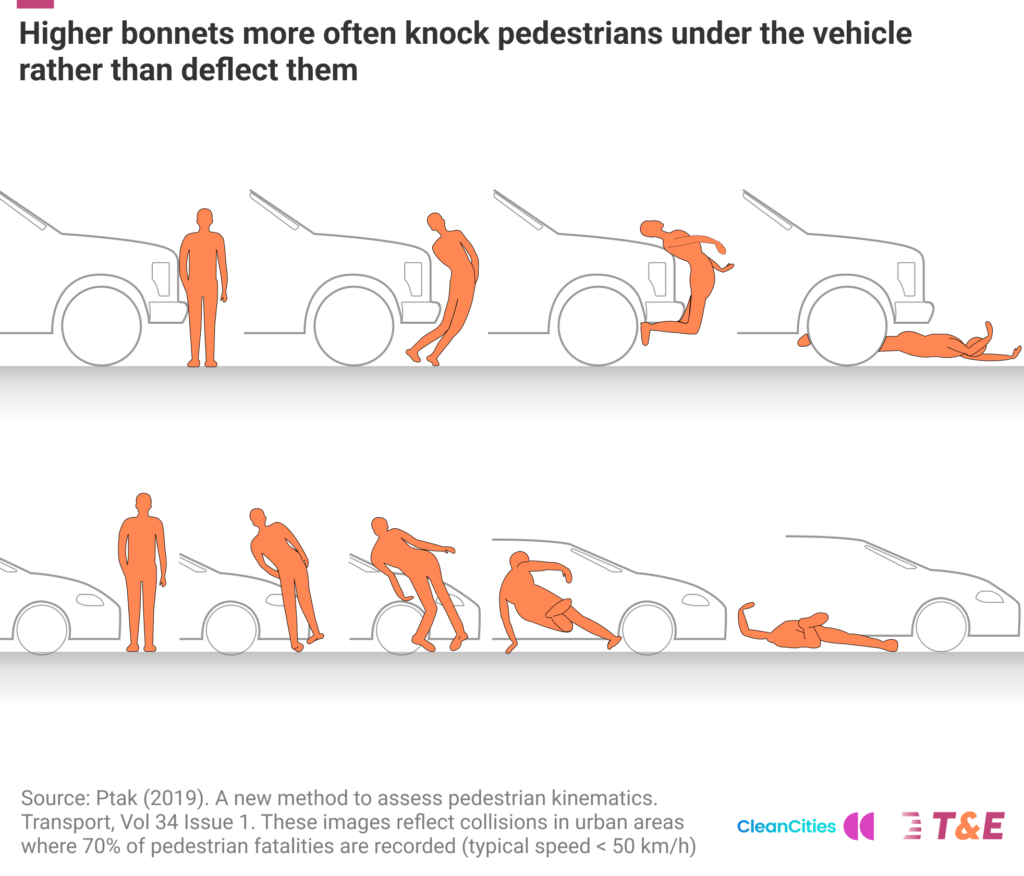
Like giant SUVs, pick-ups strike pedestrians higher on the body than cars, increasing the likelihood of head and chest injuries rather than survivable leg injuries. International crash data shows that a pedestrian or cyclist hit by a pick-up was 90% more likely to face serious injury than one hit by a regular car, and almost 200% more likely to be killed.
The findings come after the recent publication of the Government’s Road Safety Strategy which aims to reduce the number of people killed or seriously injured on roads in Great Britain.
The strategy acknowledges “concerns that larger vehicles, particularly the emerging trend for increased bonnet height in SUVs, may have a detrimental safety impact on vulnerable road users, particularly pedestrians, cyclists and children” and highlights the work Cardiff Council has done to charge SUVs and other large vehicles a higher fee to be able to park. It promises further collaboration with stakeholders.
The situation could get worse. According to the EU-US trade pact published on 21 August 2025, the EU and US “intend to accept and provide mutual recognition to each other’s standards” for cars, opening the door for the import of more pick ups with lower safety standards.
Pedestrian road deaths in the US are now three times higher than in Europe (after having been roughly the same in 2009), with the rapid rise in monster SUVs and pick-ups heavily implicated in the sharp increase in pedestrians killed on US roads.
EU safety standards include pedestrian protection on vehicle fronts which have been further strengthened since 2009 in Europe, but are not mandatory in the US. In contrast to the US, the EU also requires automatic emergency braking (AEB) on newly-sold cars and vans, and seat belt reminders for all seats. The UK is consulting on plans to introduce the same or similar standards.
At the start of this tax year on 6 April 2025, HMRC re-classified a double cab pick-up truck as a car to close a loophole where they were being purchased as commercial vehicles but predominantly used for personal use. As HMRC stated, “typically these vehicles are equally suited to convey passengers and goods and have no predominant suitability”.
Clean Cities is calling for urgent action to tackle ‘carspreading’ including managing vehicle size and access in urban areas through fairer parking charges for more dangerous vehicles and applying car-equivalent pedestrian safety standards to pick-up trucks – the UK should work with EU partners to Adopt a Child Visibility Test to reduce vehicle blindspots, for inclusion in Euro NCAP’s protocols before being brought into EU and UK vehicle safety laws.
Clean Cities are one of the founder members of The SUV Alliance, a campaign made up of a coalition of 19 environmental and transport groups. The Alliance has published a manifesto calling for changes to Vehicle Excise Duty and allowing local authorities to introduce higher parking charges on SUVs and pick-up trucks.
Notes to editors